

Your phone buzzes. An unknown number flashes on screen. Your first thought is simple: is this safe? A 69525 text message usually isn’t random spam, it’s most often sent by Microsoft as part of an account sign-in or security check.
This guide covers what a 69525 short code means, why a short code 69525 message shows up on your phone, how to read a 69525 text code, what a 69525 short code text message actually says, and what to do with any incoming text from this number.
69525 Text Message
A message from 69525 is sent through an SMS short code, not a regular phone number. Short codes are 5-6 digit numbers companies use to send high volumes of texts quickly and reliably.
Most people see a 69525 text message when signing into a Microsoft account, resetting a password, or completing two-step verification. It’s built for speed and security, not casual conversation.
69525 Text Message Android
On Android phones, this message lands directly in your default Messages app, just like any other SMS. No extra app or setup is needed to receive or read it.
69525 Text Message iPhone
On an iPhone, the text appears in the regular Messages app under the sender “69525.” Since it’s not a saved contact, iOS may group it separately or flag it for review the first time.
69525 Text Message T-Mobile
This short code works across every major US carrier, including T-Mobile, Verizon, and AT&T. Carrier choice doesn’t change how or when the message arrives.
69525 Short Code
A short code is a shortened phone number, usually 5 or 6 digits, registered specifically for bulk or automated texting. Businesses use them instead of a normal 10-digit number for speed and reliability.
The 69525 short code is primarily registered to Microsoft. It handles account verification, sign-in alerts, and security notifications for Microsoft services.
Who Owns This Short Code
- Microsoft, account sign-in and verification alerts
- Microsoft-linked identity partners, two-step verification codes
- Microworkers, account verification during signup
Save this list to check against any message you receive.
SMS Short Code Lookup
If you want to confirm a short code yourself, you can run an SMS short code lookup through your carrier or a short-code directory site. Reporting an unwanted number to 7726 (SPAM) also flags it for carrier review.
Short Code 69525
People often search “who is 69525” the first time they get a code they didn’t expect. The honest answer: it’s almost always tied to a Microsoft sign-in attempt somewhere.
That said, not every 5-digit number claiming to be Microsoft is genuine, so it helps to know what a real message looks like before trusting it blindly.
Who Is 69525
69525 is Microsoft’s official short code for sending verification codes and account activity alerts to users who have two-step verification enabled.
Is 69525 a Scam
No, 69525 itself is a legitimate, carrier-registered short code. The risk isn’t the number, it’s clicking links in look-alike texts pretending to be from it.
69525 Text Code
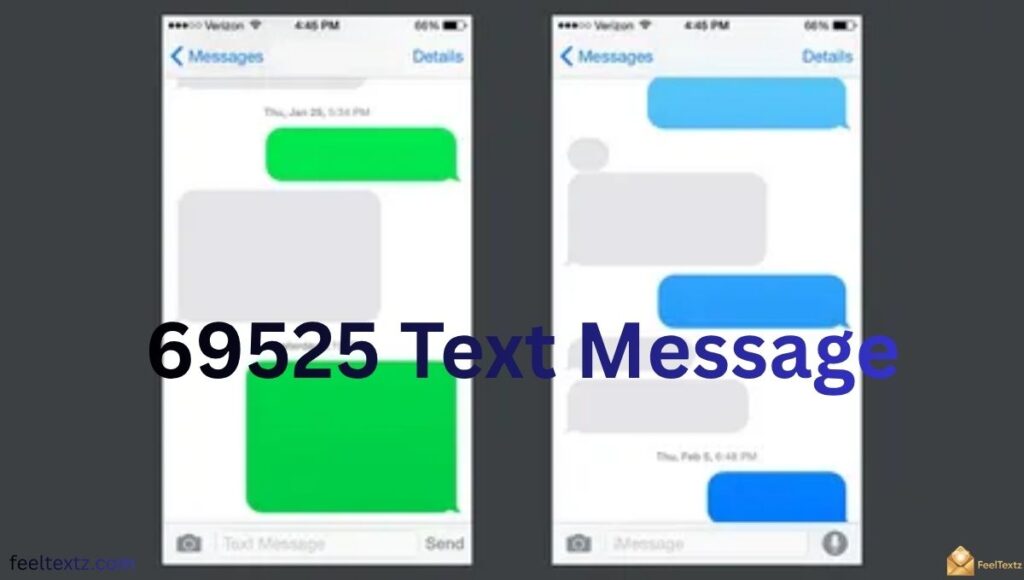
The 69525 text code is typically a 6-digit number, something like “318298,” followed by a short line confirming it’s for Microsoft authentication.
This is the same idea as a two-step verification text or Microsoft security code, a temporary code meant to confirm it’s really you signing in.
69525 Verification Code Not Requested
If a 69525 verification code shows up but you didn’t request it, treat it as a warning sign, not junk mail.
- Do not enter or share the code with anyone
- Sign in to your Microsoft account and check recent activity
- Change your password immediately
- Turn on two-step verification if it isn’t already active
Follow these steps in order for the fastest fix.
69525 Short Code Text Message
A typical 69525 short code text message reads something like: “Use verification code 348082 for Microsoft authentication.” Short, plain, and to the point, no links, no urgency tricks.
This ties into Microsoft account verification SMS, Microsoft authentication code alerts, and older references to Microsoft MyPhone notifications, which used the same short code system.
Microworkers Verification 69525
Some freelance platforms, including Microworkers, also use the 69525 short code to verify new accounts through a partner SMS service, separate from Microsoft’s own alerts.
Incoming Text
An incoming text is simply any SMS your phone receives from another number, landing in your message box, the inbox where all your texts are stored and sorted by sender.
Not every incoming text from an unfamiliar number is from 69525. For example, SMS messages from Square relate to payment receipts or business verification, and come from a completely different short code.
What to Text to Stop Text Messages
- Text STOP to 69525 to unsubscribe
- Text HELP to 69525 for more information
- This works to unsubscribe from 69525 or opt out of 69525 texts on any carrier
One text is usually all it takes.
How to Stop 69525 Messages
If STOP doesn’t work right away, disable two-step verification SMS alerts inside your Microsoft account settings instead, since some alerts are tied to your account, not just the number.
Similar Short Codes and Microsoft Alerts
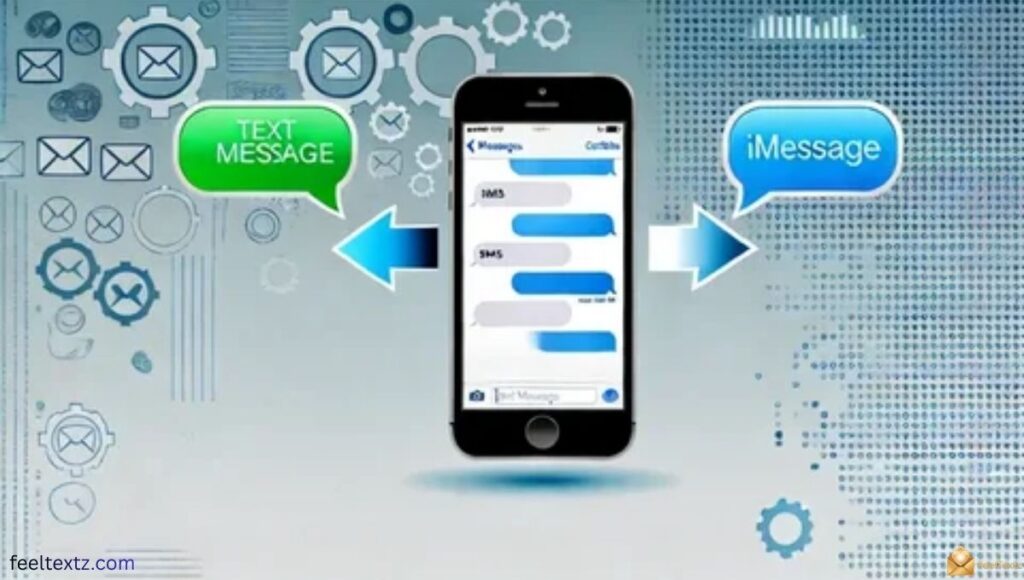
Microsoft and its partners use more than one short code, so you may also see messages from 52181, 51789, or 97671 carrying similar verification codes.
Some of these texts include a link such as aka.ms/alca for account confirmation, or reference Msverify SMS and Microsoft Defender antivirus status checks during a security review.
Aka ms alca Text Message
An aka ms alca text message is a shortened Microsoft link used to confirm a recent sign-in or device change, usually paired with a short code like 69525.
Microsoft Text Message Someone Else Might Have Accessed
This is an unauthorized Microsoft sign-in alert, an account activity notification text warning you that a login happened from an unrecognized device or location.
Azure AD SMS Help
For business or work accounts, Microsoft directs users to aka.ms/aadsmshelp for Azure AD-related SMS issues, or to Microsoft Q&A support for community-verified answers.
Short Code Comparison Table
| Short Code | Typical Sender | Common Purpose |
| 69525 | Microsoft | Verification code, sign-in alert |
| 52181 | Microsoft-linked service | Account confirmation |
| 51789 | Microsoft-linked service | Security notification |
| 97671 | Verification partner | One-time passcode |
| 87892 | Verification partner | One-time passcode |
| 44398 | Temporary verification service | SMS verification |
Msg and data rates may apply when replying to any of these short codes, so check your carrier plan if you’re unsure.
Frequently Asked Questions
Why am I getting Microsoft verification code texts?
You’re getting them because a sign-in, password change, or new device triggered Microsoft’s security check. It confirms the action came from you.
Why did I get a random text with a verification code?
Someone, possibly you, entered your phone number during a Microsoft sign-in attempt. If it wasn’t you, secure your account and change your password right away.
What is a 6 digit SMS verification code?
It’s a temporary one-time passcode sent by text, used to confirm your identity during login or account changes. It expires after a short time.
What is msverify?
Msverify SMS is a Microsoft-linked verification service that sends short-code texts, like the 69525 text message, to confirm sign-ins and protect account access.
How do I stop messages from 69525?
Text STOP to 69525, or turn off SMS-based two-step verification inside your Microsoft account security settings if you’d rather use an authenticator app.
Is 69525 a legitimate short code?
Yes. It’s officially registered to Microsoft for account verification and security alerts, not random marketing or spam.
Read Also: What Does a 66458 Text Message Mean, and Why Are You Getting One?
Conclusion
A 69525 text message almost always traces back to Microsoft, sent to confirm a sign-in or protect your account from unauthorized access. It isn’t spam, and in most cases it isn’t dangerous either, it’s a security step working exactly as designed.
If the code was expected, enter it and move on. If it wasn’t, don’t use it: change your password, review recent activity, and enable stronger verification instead. Texting STOP to 69525 stops future messages if you no longer want them. Stay alert, act quickly when something looks off, and keep your account one step ahead of anyone else trying to get in.